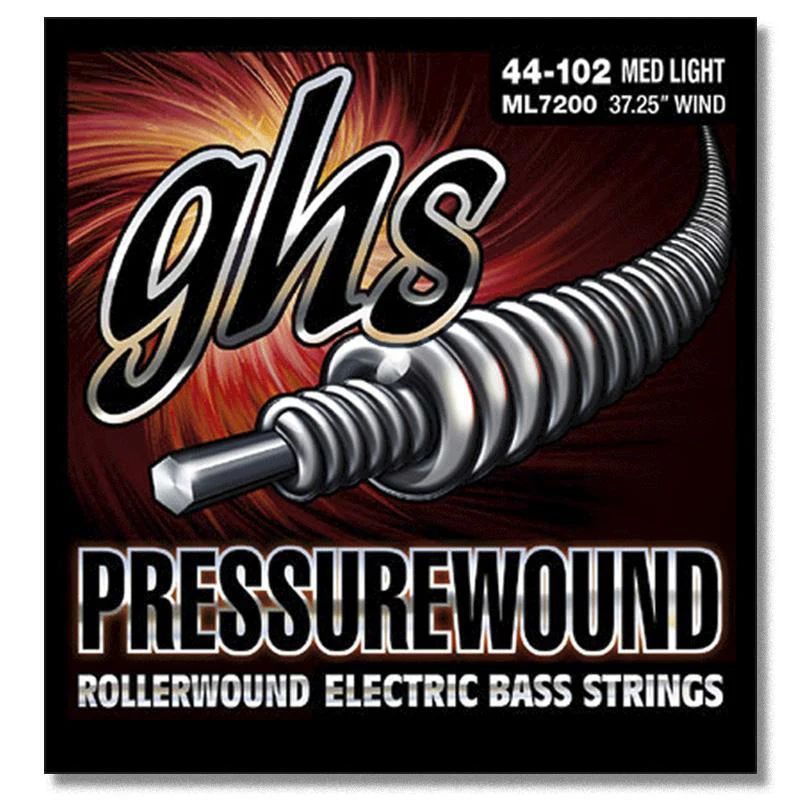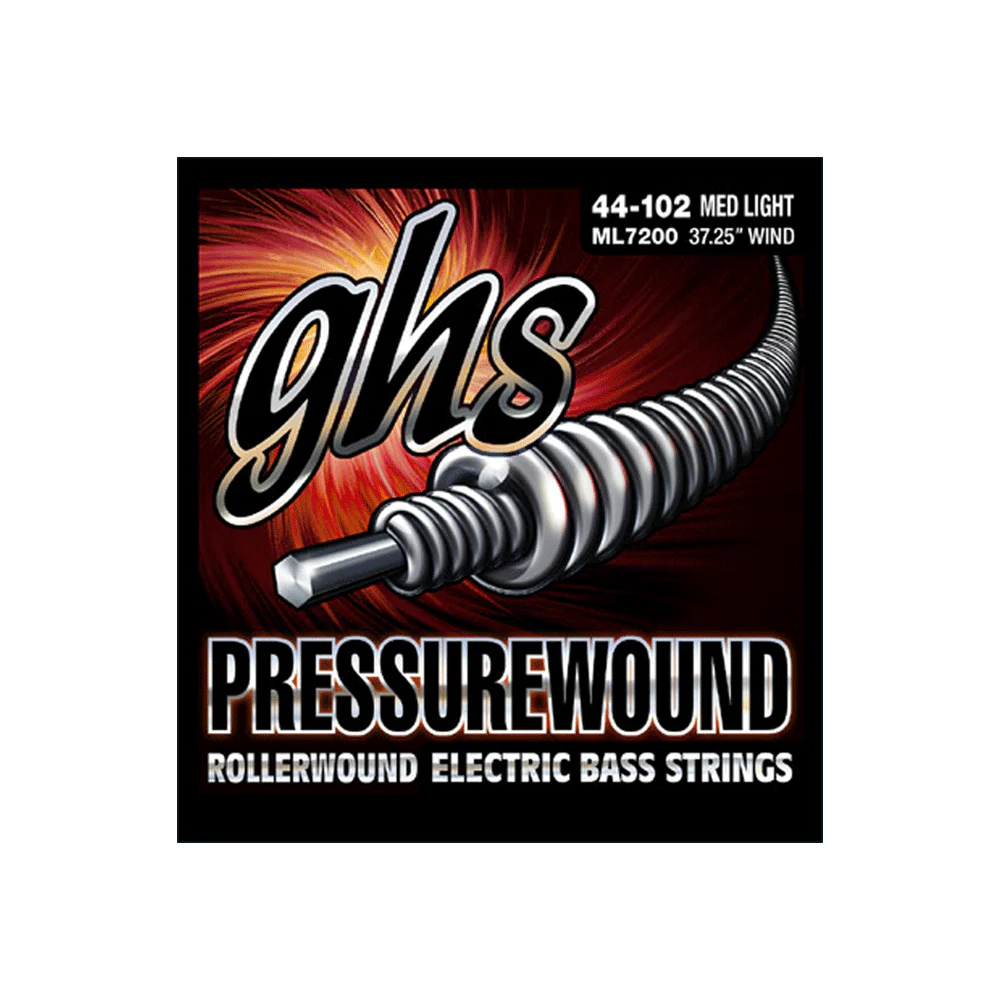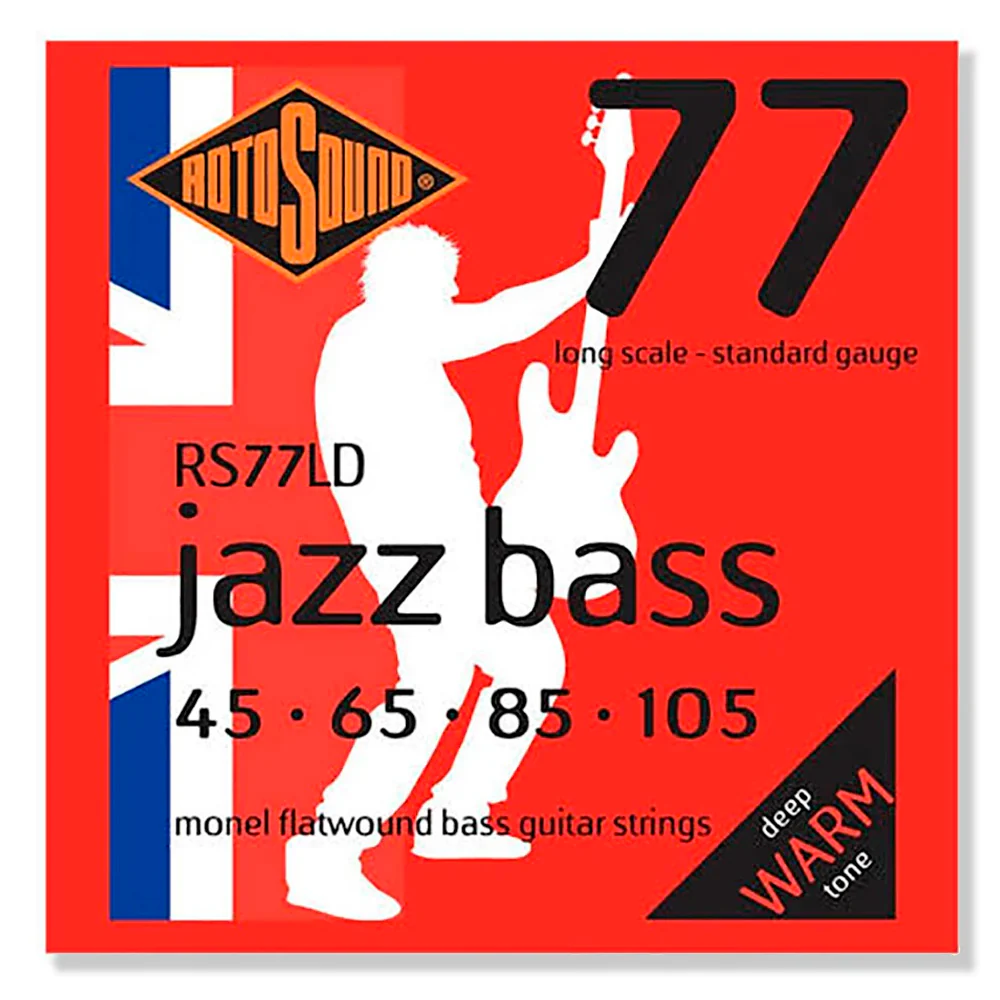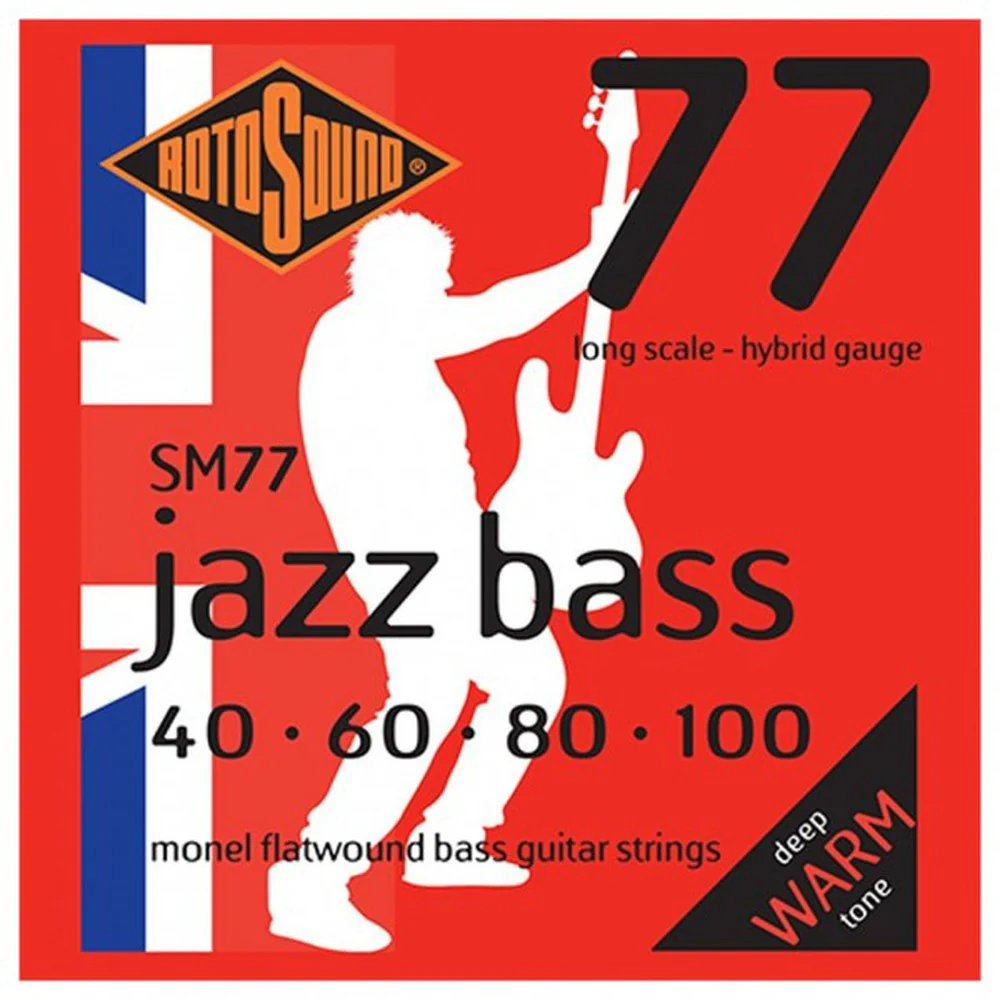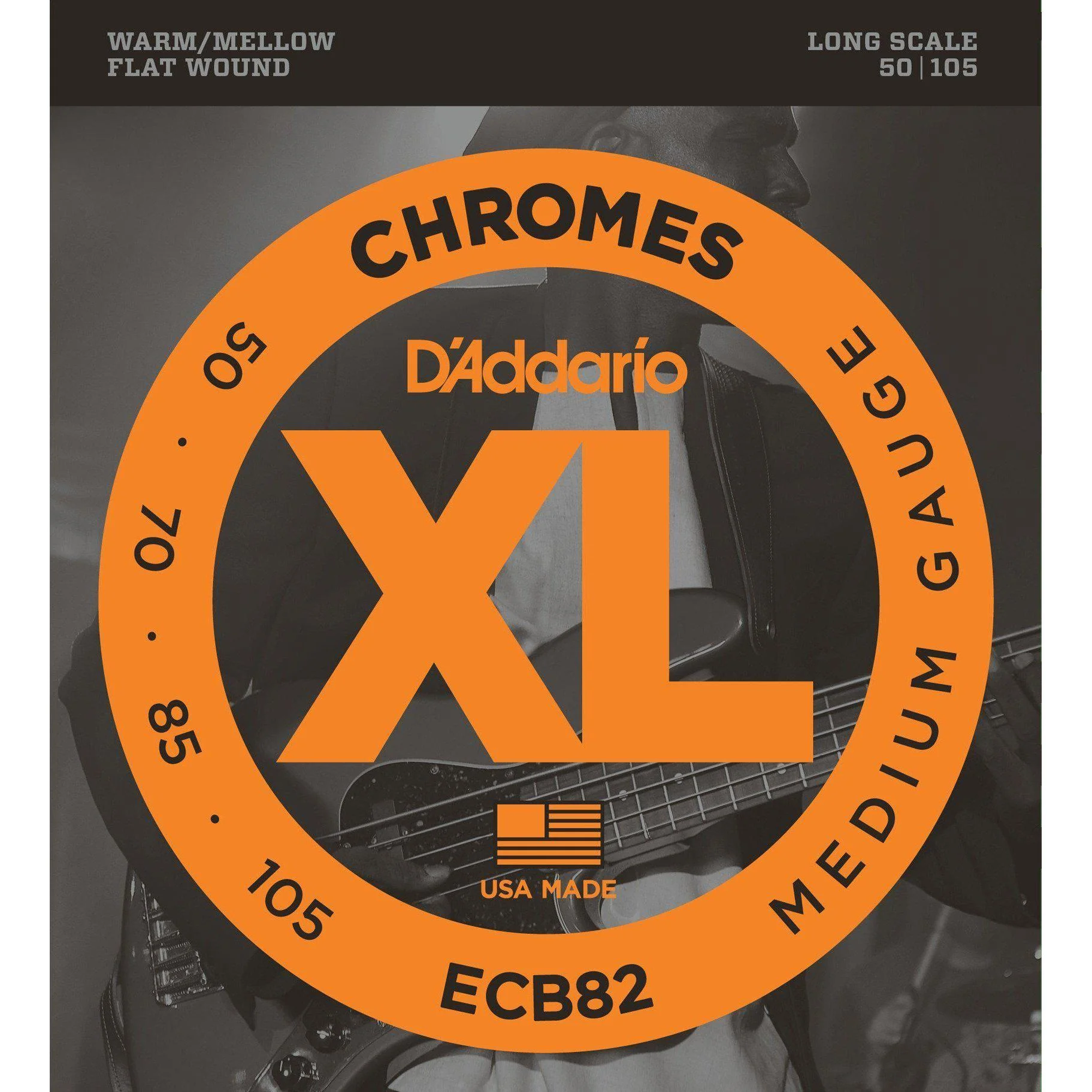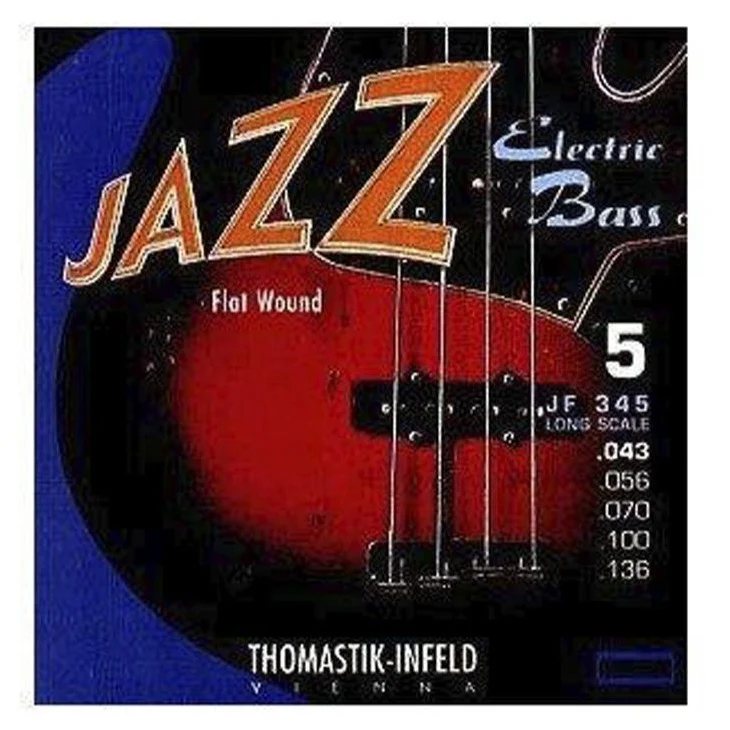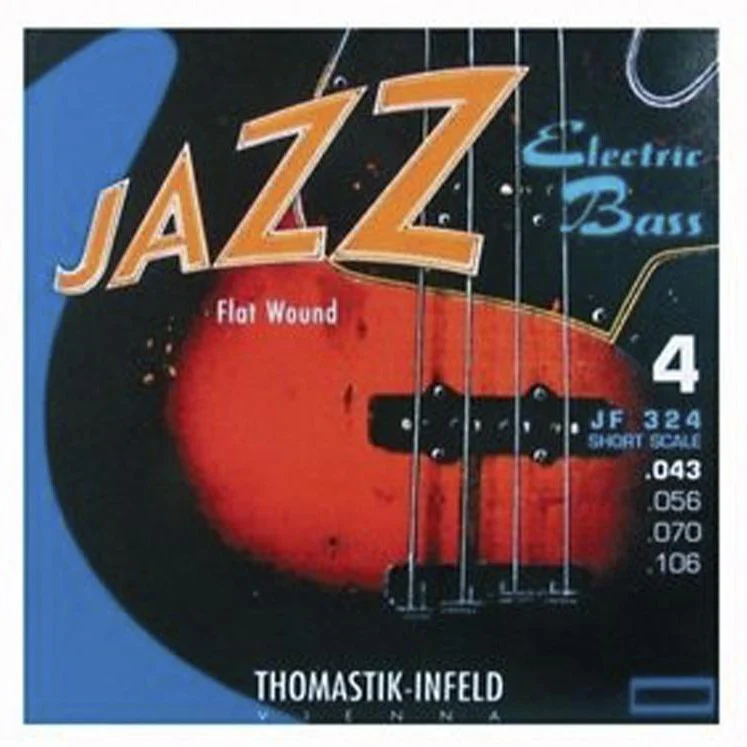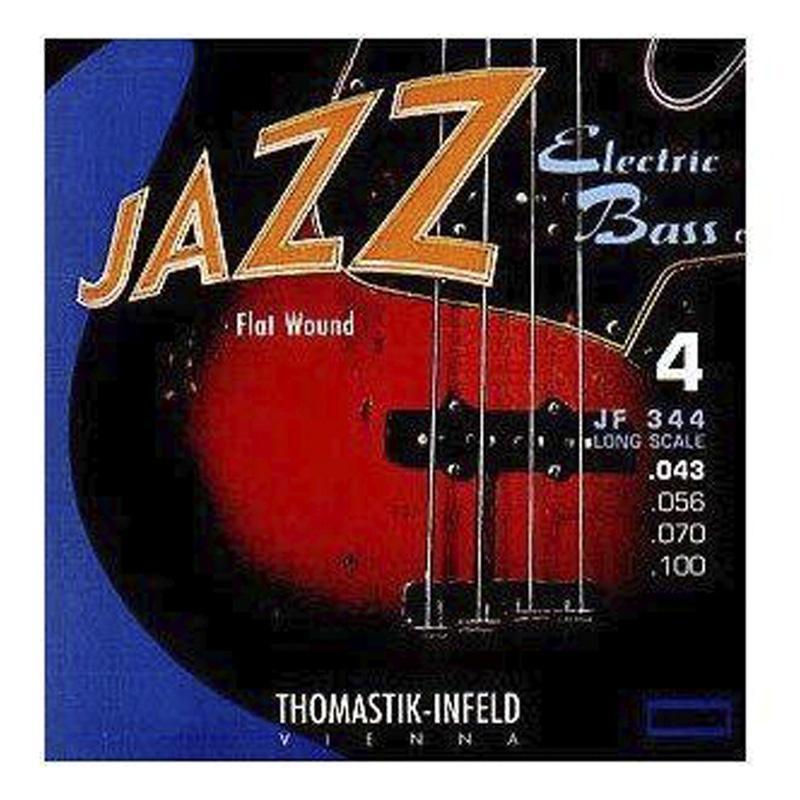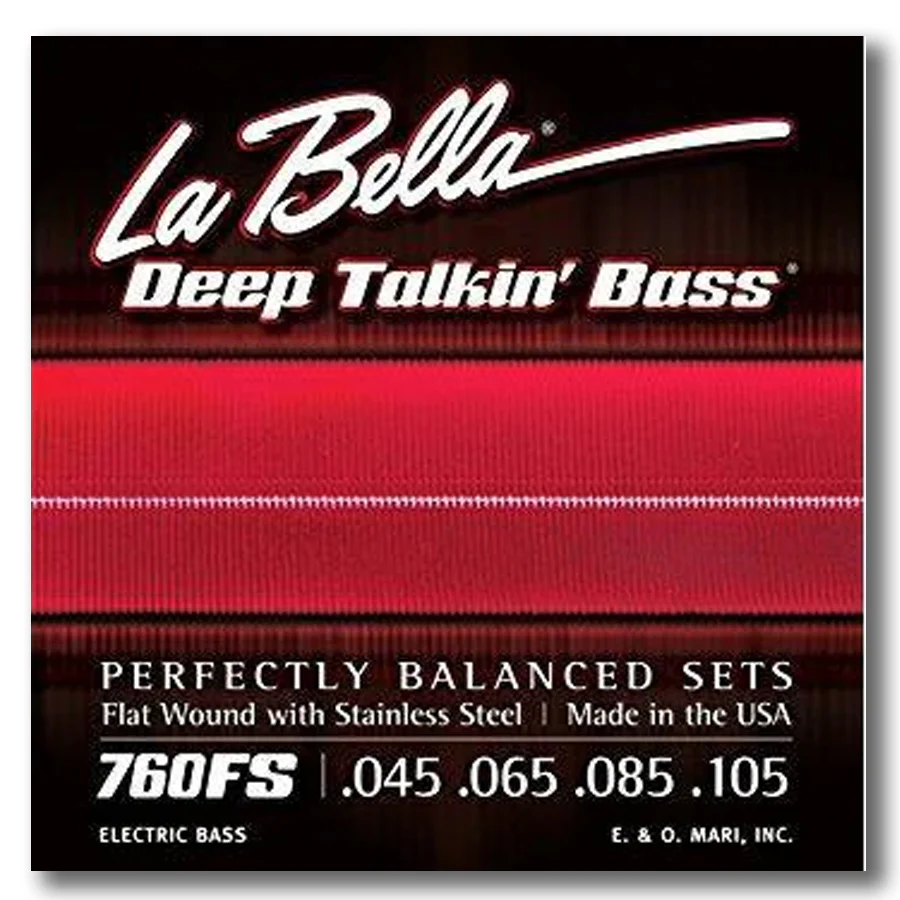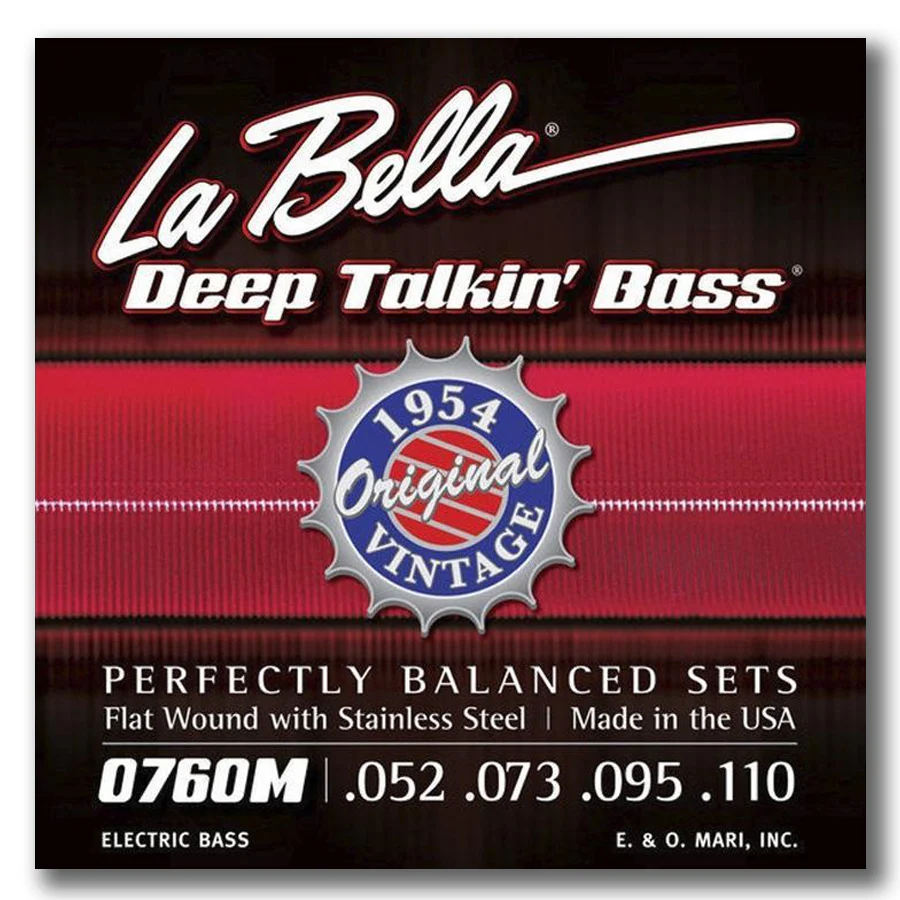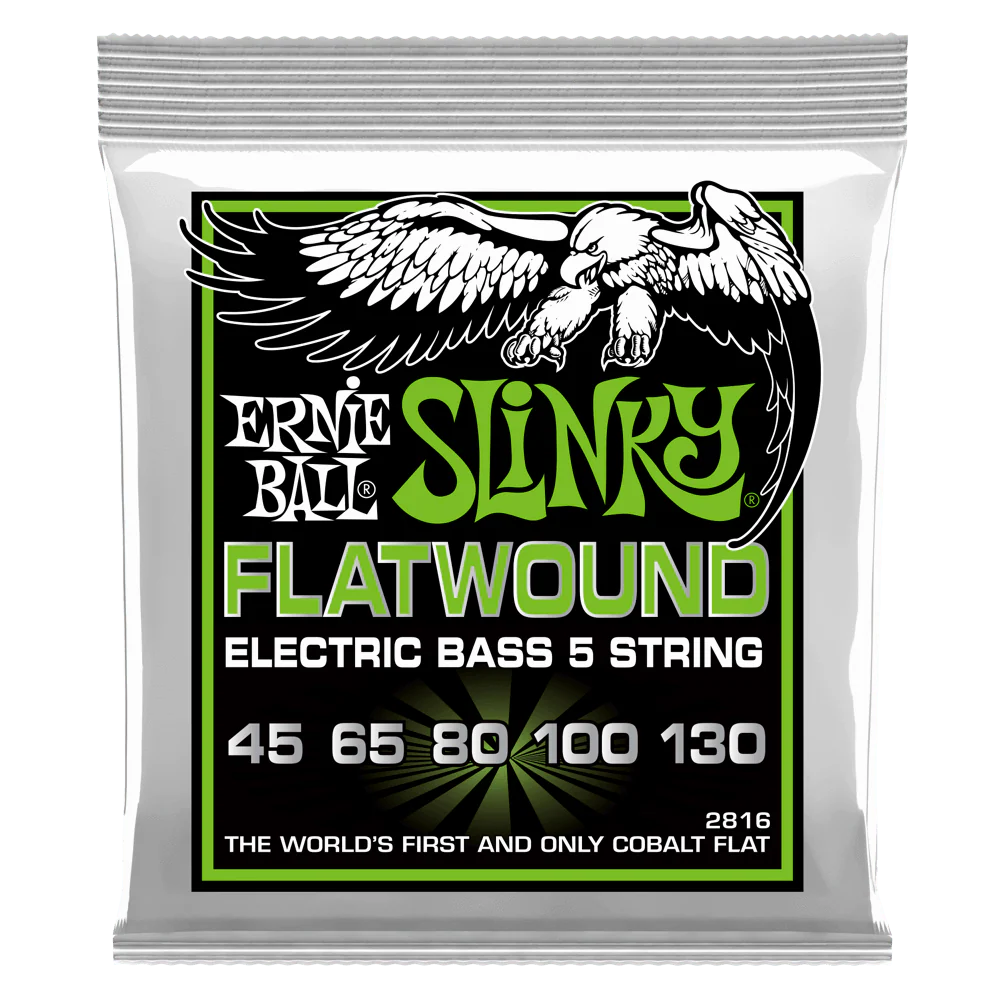
Ernie Ball Slinky Flatwound 4 string
ERNIE BALL SLINKY FLATWOUNDS
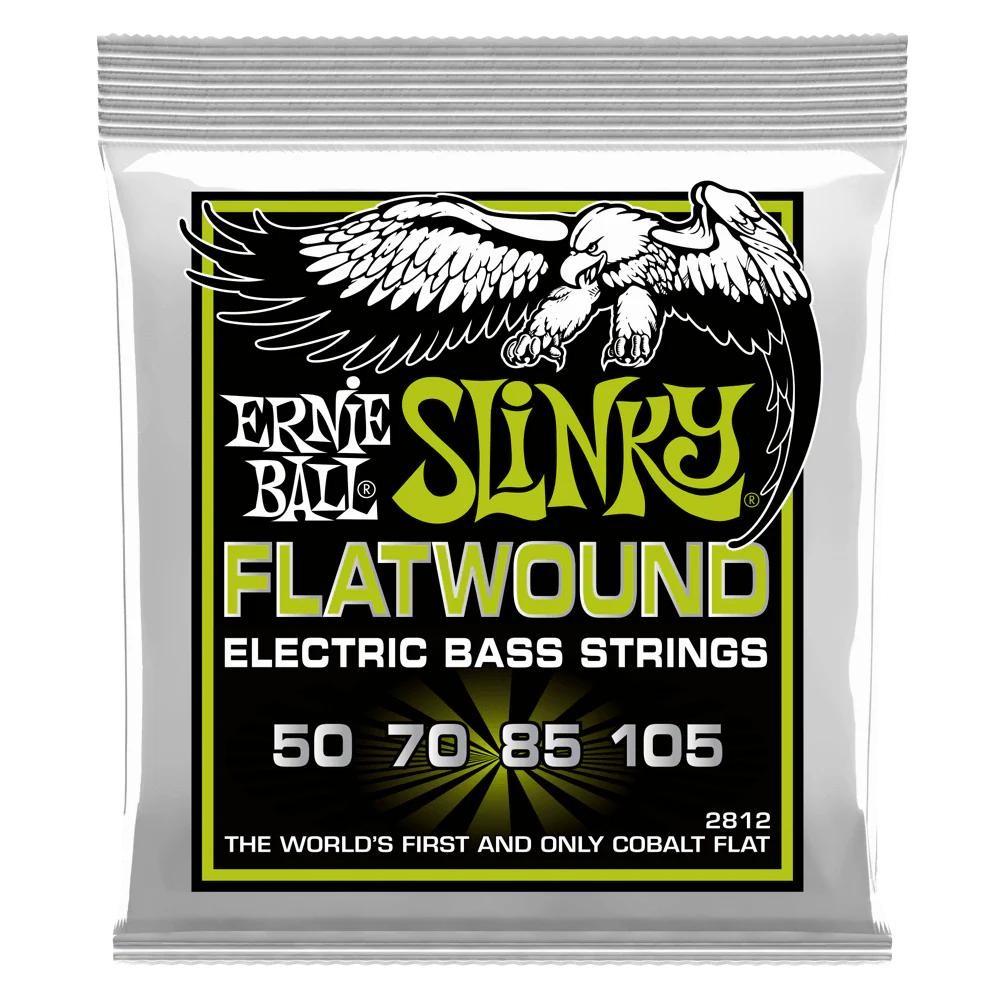
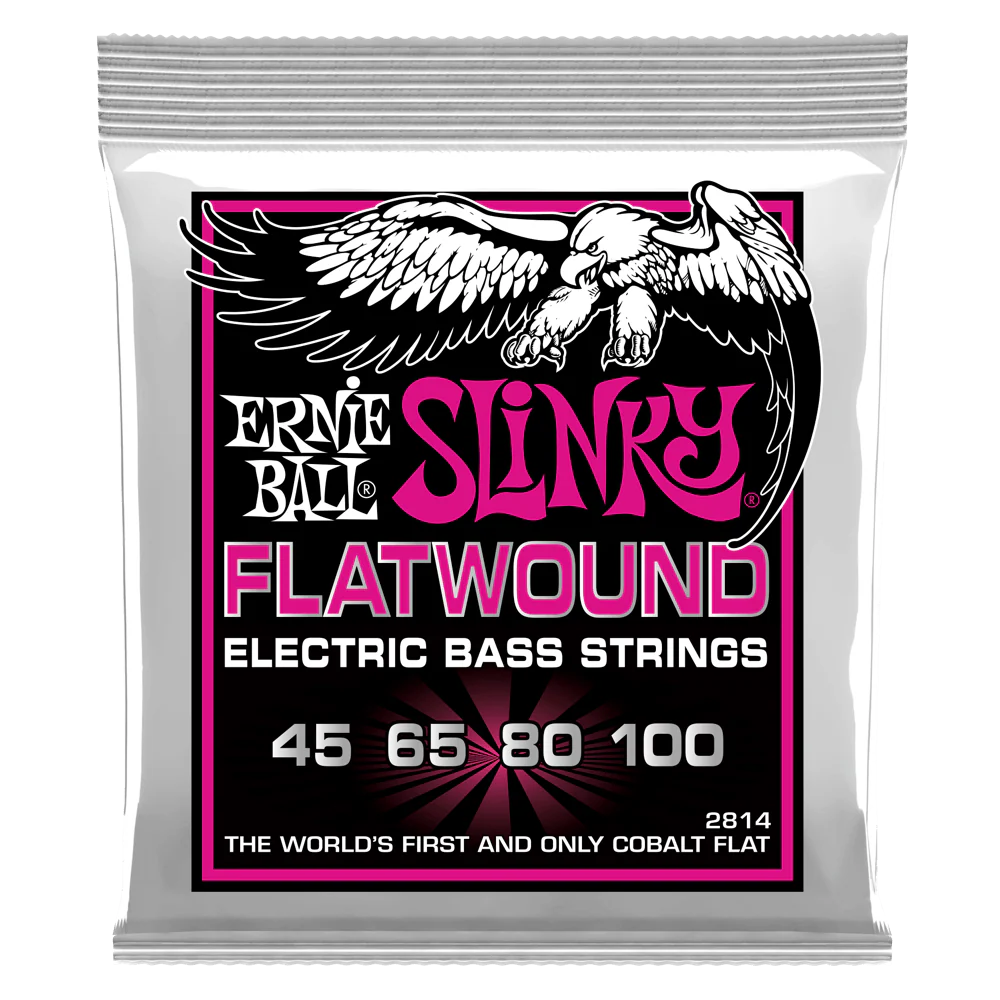
Ernie Ball Slinky Flatwound Bass Strings combine the smooth feel of traditional flats and the modern power of Cobalts. Featuring a SuperBright Cobalt Ribbon wrap, Cobalt Underwraps and optimal hex-core to wrap ratio, the new Flatwound Bass strings are the first flat that actually feels like a flat and sounds like a round.
FAQ
Frequently Asked Questions (FAQ)
1. What types of Slinky bass guitar strings does Ernie Ball offer?
Ernie Ball offers several Slinky bass string lines including: Slinky Nickel Wound, Slinky Cobalt, Slinky Flatwound, Slinky Stainless Steel, and Slinky Coated. Ernie Ball
2. What’s special about the “Nickel Wound” Slinky bass strings?
The Slinky Nickel Wound sets are wrapped with nickel-plated steel around a hex-core steel wire. They provide a bright, balanced tone that works well across various playing styles and bass types. Ernie Ball
3. What advantages do the Slinky Cobalt bass strings bring?
The Slinky Cobalt strings use a cobalt alloy that improves the magnetic relationship with pickups, delivering higher output, better harmonic response, increased low end and clearer highs. Ernie Ball
4. What about the Slinky Coated bass strings?
Slinky Coated sets are based on the Nickel Wound series but include a nanotechnology coating that repels moisture and oils, helping extend tonal life and durability. Ernie Ball
5. How do the Slinky Flatwound and Stainless Steel sets differ?
-
Slinky Flatwound: Designed for a smoother feel and mellow tone; they combine the flat-wound wrap with power of cobalt in some versions. Ernie Ball
-
Slinky Stainless Steel: Provide a bright tone and longer life due to stainless steel’s anti-corrosive properties. Ernie Ball
6. What string gauges and number of strings are available for Slinky bass sets?
Ernie Ball offers Slinky bass sets in various gauges for 4-string, 5-string and 6-string basses. For example, Regular Slinky (50-105), Hybrid Slinky (45-105), Super Slinky (45-100) are among the common gauges. Ernie Ball
7. How should I choose the right gauge and material for my bass strings?
Consider:
-
The number of strings on your bass (4 vs 5 vs 6). Ernie Ball
-
Your scale length (short/medium/long).
-
Your playing style (finger, pick, slap), music genre, how often you play. Ernie Ball
-
Tone preference: brighter/clearer vs warmer/mellow.
-
Whether durability (coating, stainless) is important to you.
8. Where are Ernie Ball strings made?
Ernie Ball bass strings are made in the USA (California) with high-quality materials and manufacturing. Ernie Ball
9. How long will the strings last?
String lifespan depends on usage, sweat, environment, tuning, playing style. Coated strings or stainless steel ones typically last longer under heavy use due to corrosion resistance. The Slinky Coated version emphasises extended tonal life via its nanotech coating. Ernie Ball
10. Can I mix different types or gauges of Slinky bass strings?
Yes — many bassists customise string sets (for example mixing gauges or string material) to suit their style. Just ensure the overall tension is appropriate for your bass, scale length and tuning.
11. Are there any special considerations for alternate tunings or heavy drop tuning?
For lower, drop or alternate tunings you might opt for heavier gauge strings or ones with stronger materials (like Cobalt or Stainless) to maintain tone, tension and stability under the added stress.
12. Do Slinky bass string sets include all strings for a set, or can I buy single strings?
Ernie Ball also offers single bass strings so you can piece together custom gauge sets to your liking. Ernie Ball
13. What tone differences should I expect among the different Slinky types?
-
Nickel Wound: Bright, balanced tone.
-
Cobalt: Stronger output, clearer highs and richer lows.
-
Coated: Similar tone to Nickel Wound but with longer life and durability.
-
Flatwound: Smooth, mellow tone with reduced finger noise.
-
Stainless Steel: Bright tone and durable lifespan due to anti‐corrosive wrap.
14. How often should I change my bass strings?
It depends on how much you play, your environment (humidity, sweat), the style of playing, and how keen you are on maintaining fresh tone and feel. If your strings sound dull or tuning stability suffers, consider changing. Using coated or stainless sets will often let you go longer between changes.
15. Do I need to clean or maintain my bass strings to get the most out of them?
Yes — wiping them down after playing, especially if you sweat or play in humid conditions, helps extend life. Choosing higher-quality strings (coated, stainless) also reduces the corrosion/tarnish effects.
Description
ERNIE BALL SLINKY FLATWOUNDS
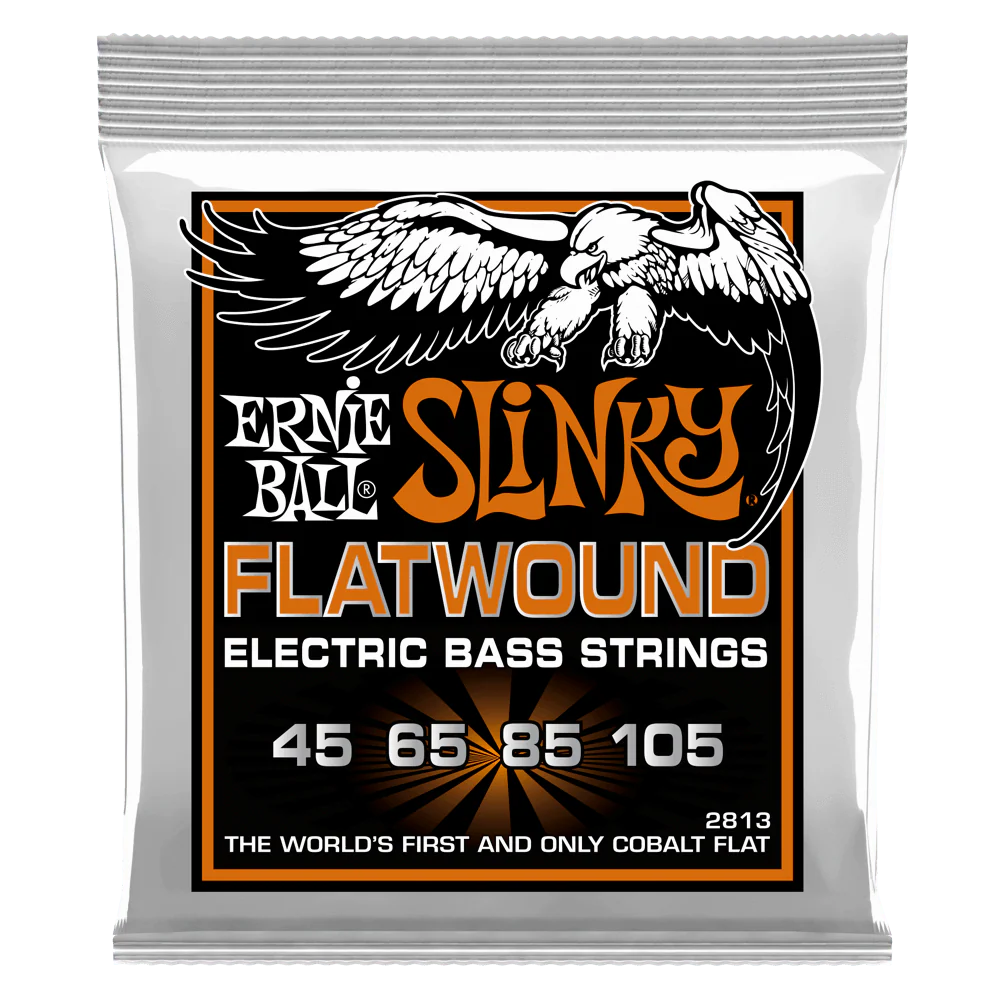
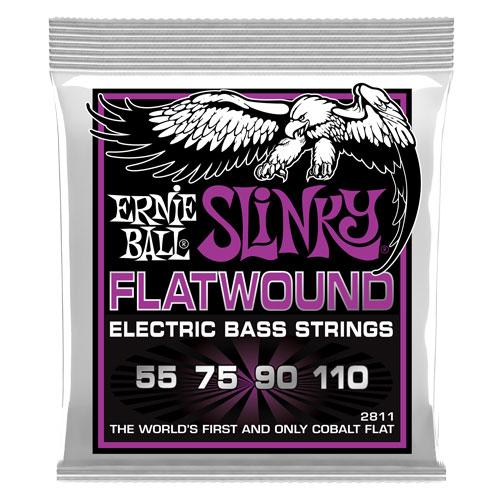
Ernie Ball Slinky Flatwound Bass Strings combine the smooth feel of traditional flats and the modern power of Cobalts. Featuring a SuperBright Cobalt Ribbon wrap, Cobalt Underwraps and optimal hex-core to wrap ratio, the new Flatwound Bass strings are the first flat that actually feels like a flat and sounds like a round.
FAQ
Frequently Asked Questions (FAQ)
1. What types of Slinky bass guitar strings does Ernie Ball offer?
Ernie Ball offers several Slinky bass string lines including: Slinky Nickel Wound, Slinky Cobalt, Slinky Flatwound, Slinky Stainless Steel, and Slinky Coated. Ernie Ball
2. What’s special about the “Nickel Wound” Slinky bass strings?
The Slinky Nickel Wound sets are wrapped with nickel-plated steel around a hex-core steel wire. They provide a bright, balanced tone that works well across various playing styles and bass types. Ernie Ball
3. What advantages do the Slinky Cobalt bass strings bring?
The Slinky Cobalt strings use a cobalt alloy that improves the magnetic relationship with pickups, delivering higher output, better harmonic response, increased low end and clearer highs. Ernie Ball
4. What about the Slinky Coated bass strings?
Slinky Coated sets are based on the Nickel Wound series but include a nanotechnology coating that repels moisture and oils, helping extend tonal life and durability. Ernie Ball
5. How do the Slinky Flatwound and Stainless Steel sets differ?
-
Slinky Flatwound: Designed for a smoother feel and mellow tone; they combine the flat-wound wrap with power of cobalt in some versions. Ernie Ball
-
Slinky Stainless Steel: Provide a bright tone and longer life due to stainless steel’s anti-corrosive properties. Ernie Ball
6. What string gauges and number of strings are available for Slinky bass sets?
Ernie Ball offers Slinky bass sets in various gauges for 4-string, 5-string and 6-string basses. For example, Regular Slinky (50-105), Hybrid Slinky (45-105), Super Slinky (45-100) are among the common gauges. Ernie Ball
7. How should I choose the right gauge and material for my bass strings?
Consider:
-
The number of strings on your bass (4 vs 5 vs 6). Ernie Ball
-
Your scale length (short/medium/long).
-
Your playing style (finger, pick, slap), music genre, how often you play. Ernie Ball
-
Tone preference: brighter/clearer vs warmer/mellow.
-
Whether durability (coating, stainless) is important to you.
8. Where are Ernie Ball strings made?
Ernie Ball bass strings are made in the USA (California) with high-quality materials and manufacturing. Ernie Ball
9. How long will the strings last?
String lifespan depends on usage, sweat, environment, tuning, playing style. Coated strings or stainless steel ones typically last longer under heavy use due to corrosion resistance. The Slinky Coated version emphasises extended tonal life via its nanotech coating. Ernie Ball
10. Can I mix different types or gauges of Slinky bass strings?
Yes — many bassists customise string sets (for example mixing gauges or string material) to suit their style. Just ensure the overall tension is appropriate for your bass, scale length and tuning.
11. Are there any special considerations for alternate tunings or heavy drop tuning?
For lower, drop or alternate tunings you might opt for heavier gauge strings or ones with stronger materials (like Cobalt or Stainless) to maintain tone, tension and stability under the added stress.
12. Do Slinky bass string sets include all strings for a set, or can I buy single strings?
Ernie Ball also offers single bass strings so you can piece together custom gauge sets to your liking. Ernie Ball
13. What tone differences should I expect among the different Slinky types?
-
Nickel Wound: Bright, balanced tone.
-
Cobalt: Stronger output, clearer highs and richer lows.
-
Coated: Similar tone to Nickel Wound but with longer life and durability.
-
Flatwound: Smooth, mellow tone with reduced finger noise.
-
Stainless Steel: Bright tone and durable lifespan due to anti‐corrosive wrap.
14. How often should I change my bass strings?
It depends on how much you play, your environment (humidity, sweat), the style of playing, and how keen you are on maintaining fresh tone and feel. If your strings sound dull or tuning stability suffers, consider changing. Using coated or stainless sets will often let you go longer between changes.
15. Do I need to clean or maintain my bass strings to get the most out of them?
Yes — wiping them down after playing, especially if you sweat or play in humid conditions, helps extend life. Choosing higher-quality strings (coated, stainless) also reduces the corrosion/tarnish effects.